
Japan on a Budget: How Indians Are Actually Doing It Under ₹1 Lakh
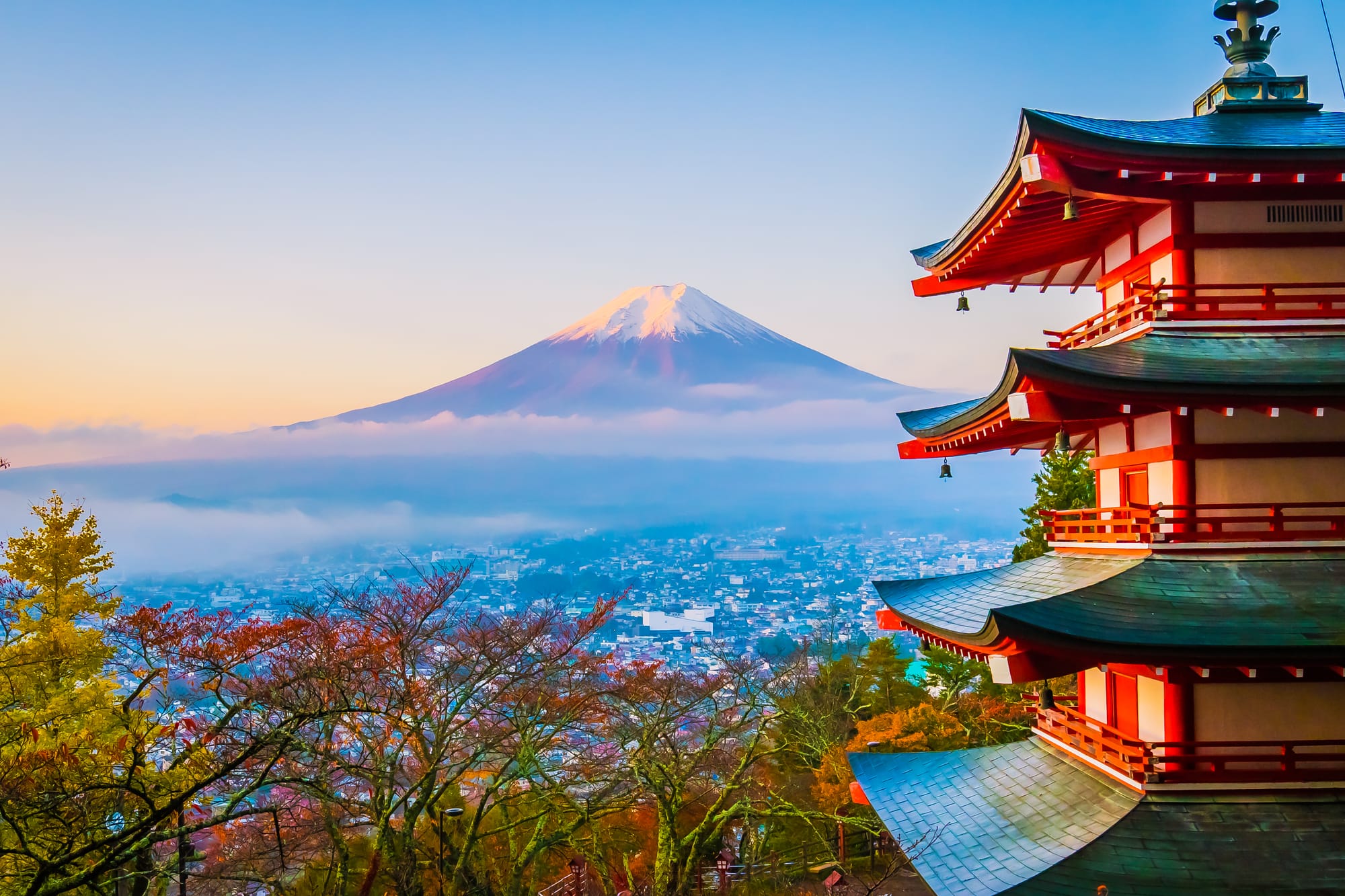
Most of us have experienced Japan only through anime, reels, Pinterest boards, and cyberpunk edits. And somewhere in our heads, we’ve already decided, “Japan is too expensive. Maybe someday.” Here’s the plot twist. People are actually traveling to Japan from India for under ₹1 lakh. All it takes is good strategy. Japan is not cheap, but it’s not unreachable either.
The Biggest Myth About Japan
Most people think Japan trips look like this: Tokyo → Kyoto → Osaka → bullet trains everywhere → luxury sushi → fancy hotels.
That’s the Instagram version. The budget version looks very different. Budget travelers often do things like:
- Mixing bullet trains with regional trains and buses
- Choosing less obvious cities like Nagano or Hokkaido instead of only Kyoto
- Staying near train stations or airports instead of central luxury areas
- Using sightseeing buses and day tours instead of expensive DIY routes
Let’s Talk Food: ₹400 Ramen to ₹2,000 Ramen
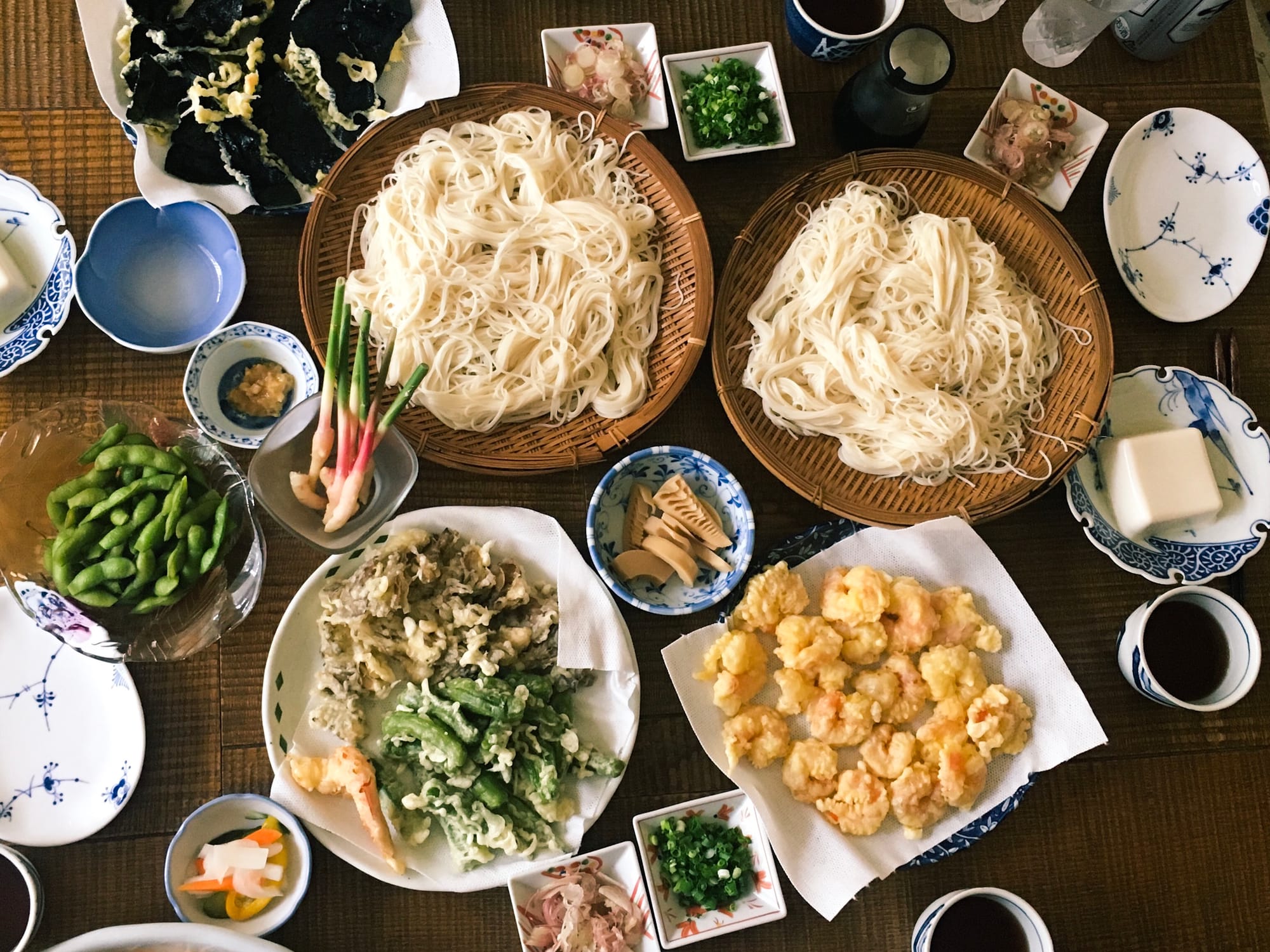
Japan is a country of extremes, and food is the best example. A simple bowl of ramen at a local shop can cost ₹350–₹600. At popular chains like Ichiran or Ippudo, it usually ranges from ₹600–₹1,000. With toppings, the price can hit ₹1,500-₹2000. Sushi is similar. At conveyor-belt sushi places like Sushiro or Kura Sushi, you can eat well within ₹600–₹1,000. At mid-range restaurants, sushi meals often cost ₹1,000–₹2,500. High-end sushi? Easily ₹3,000+. And then there are convenience stores, Japan’s underrated hero. 7-Eleven, Lawson, and FamilyMart sell surprisingly good meals for ₹150–₹400.
So realistically:
- Budget foodie: ₹800–₹1,200/day
- Comfortable traveler: ₹1,200–₹2,000/day
Yes, you can eat cheap. But you’ll probably mix cheap and fancy, because Japan makes it very tempting.
Where You Sleep Matters More Than You Think
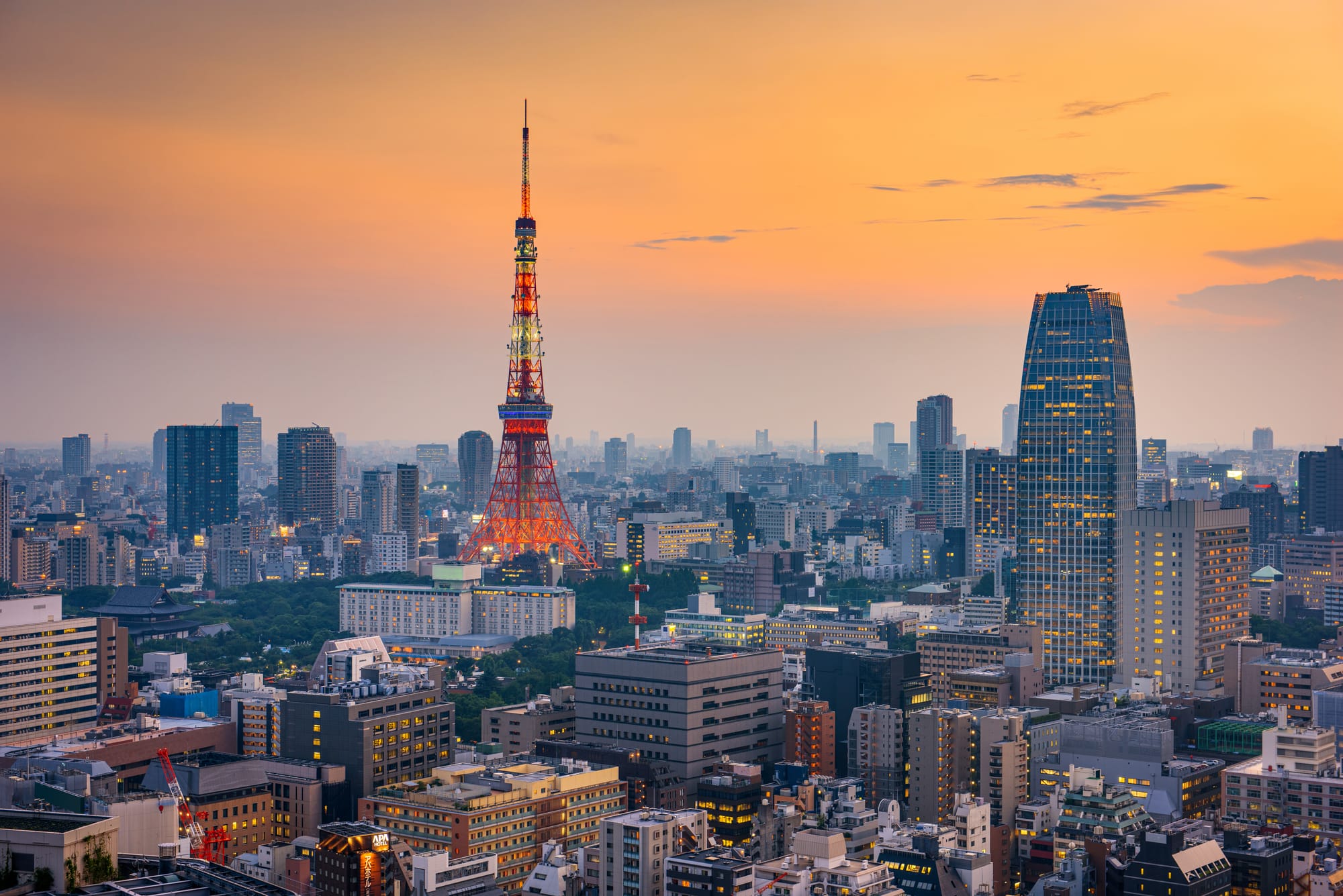
Accommodation in Japan is layered. Hostels and capsule hotels usually cost ₹1,200–₹3,500 per night. In big cities like Tokyo or Kyoto, ₹2,000–₹3,000 is more common. Budget hotels and Airbnbs range from ₹2,500–₹5,000 per night. Mid-range hotels often start from ₹5,000 and go upwards. A very useful budget hack is staying near train stations or airports.
Why? Because,
- Hotels are cheaper
- Transport becomes easier
- You avoid expensive central locations
For a 6–7 day trip, realistic accommodation costs fall between ₹15,000 and ₹25,000.
Bullet Trains Are Cool. They’re Also Expensive.
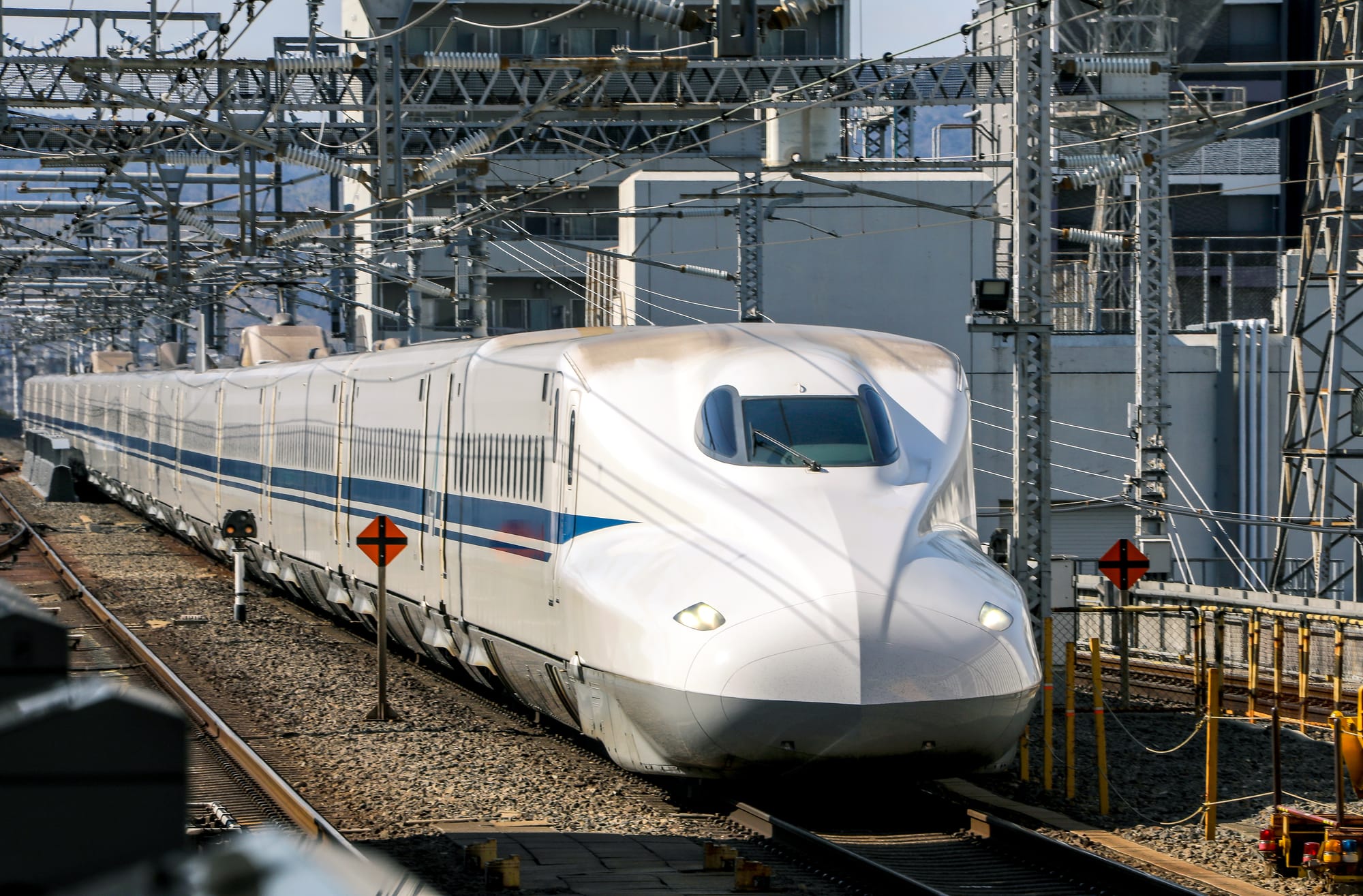
Let’s kill another myth. Japan’s bullet trains are iconic, but not budget-friendly. For example:
Tokyo → Kyoto (Shinkansen):
- ₹7,000–₹9,000 one way
- ₹14,000–₹18,000 round trip
So how do budget travelers survive? They mix options.
- Bullet trains for key routes
- Regional trains for shorter distances
- Night buses between cities
- Sightseeing buses in mountain regions
That’s why weekly transport costs usually fall between ₹10,000 and ₹20,000, not ₹5,000.
Japan Is Not Just Tokyo–Kyoto–Osaka
Most blogs show one route. Real travelers experiment.
Classic route:
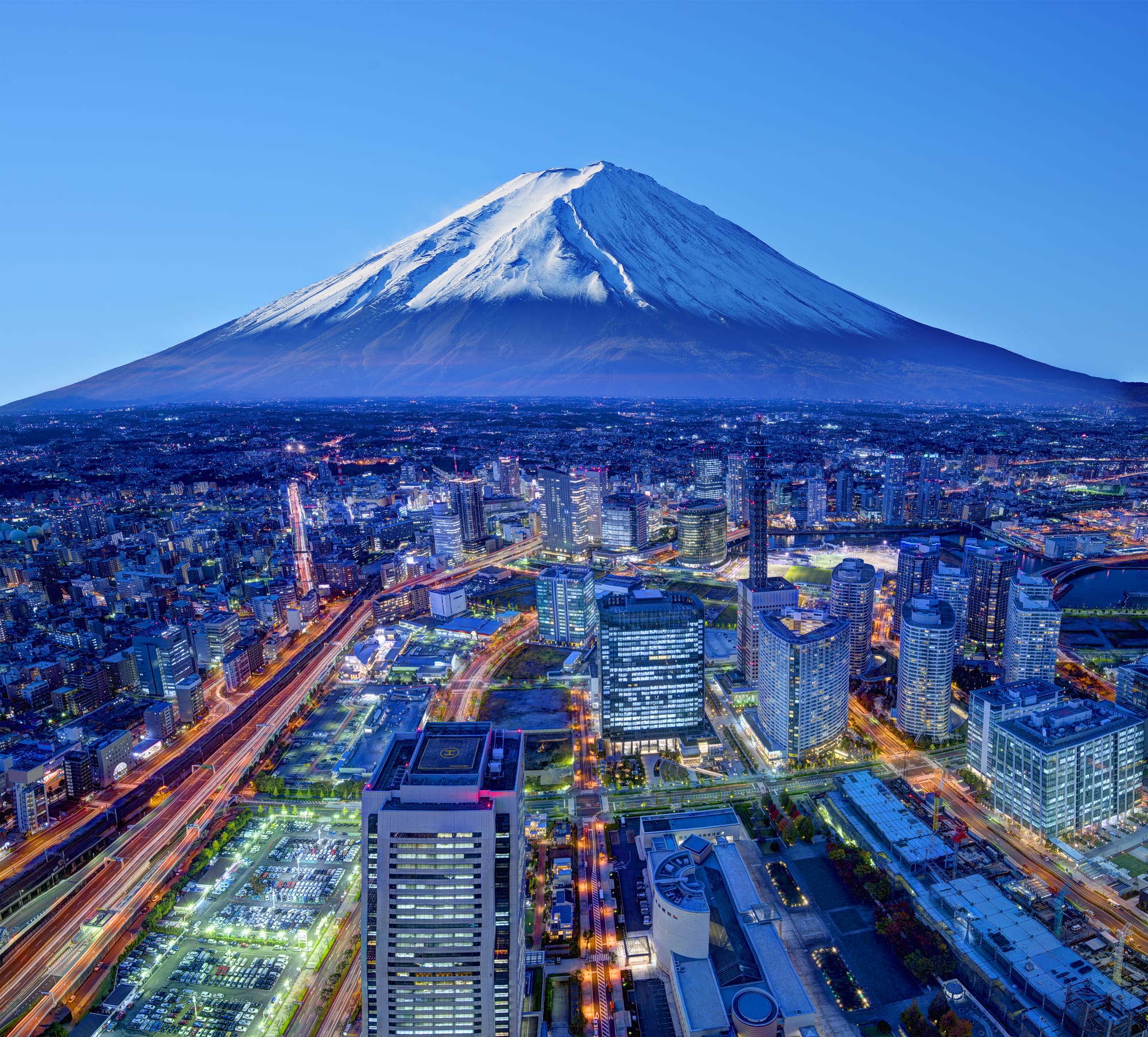
Tokyo → Kyoto → Osaka → Mount Fuji
Alternative route:
Tokyo → Nagano (Japanese Alps) → Osaka → Sapporo (Hokkaido)
Some regions are cheaper, less crowded, and better connected by buses or regional trains. Also, tours become useful.
For example:
- Alpine Route in Nagano
- Biei Blue Pond and Furano in Hokkaido
- Lake Toya and Noboribetsu day tours
These tours may look expensive, but they often save time and transport costs.
Sometimes paying ₹4,000 for a tour is cheaper than figuring out everything yourself.
What You Actually See in Japan
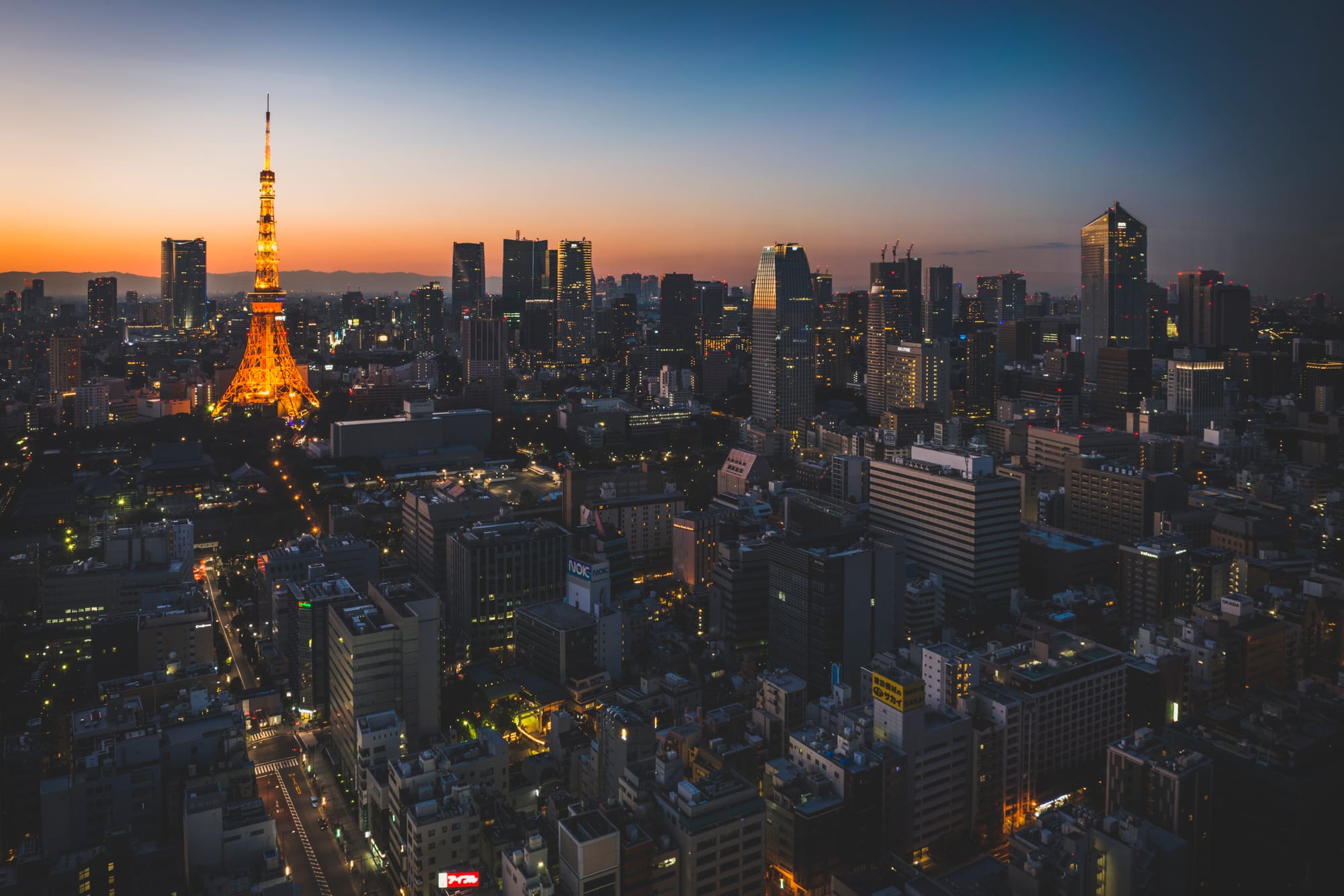
Tokyo gives you sci-fi vibes.
- Shibuya Crossing (world’s busiest intersection)
- Akihabara (anime & tech)
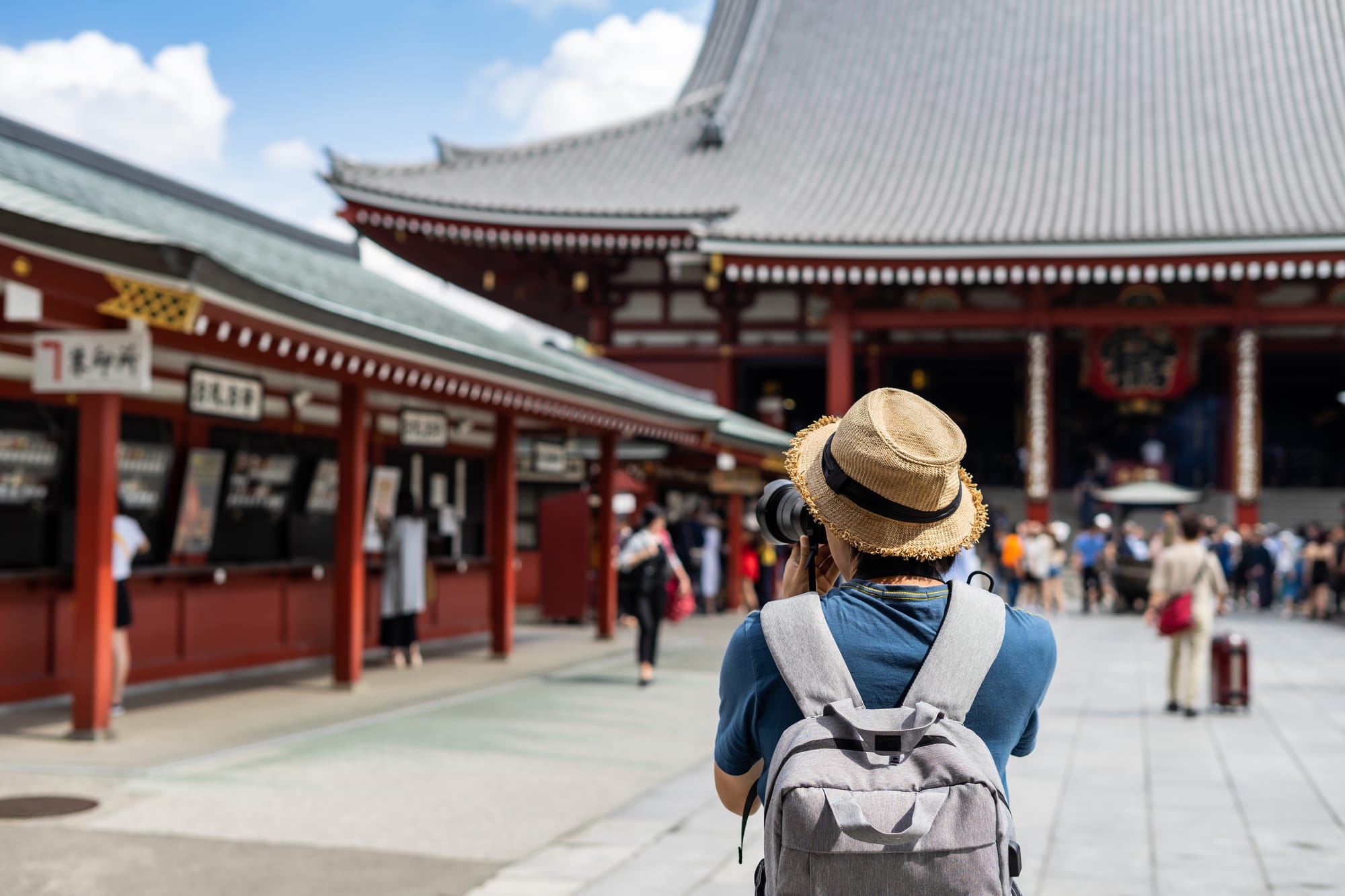
- Asakusa & Senso-ji Temple (old Tokyo vibes)
- Harajuku (street fashion)
- Shinjuku viewpoints
- Odaiba (futuristic waterfront district)
Most of this is free or low-cost.
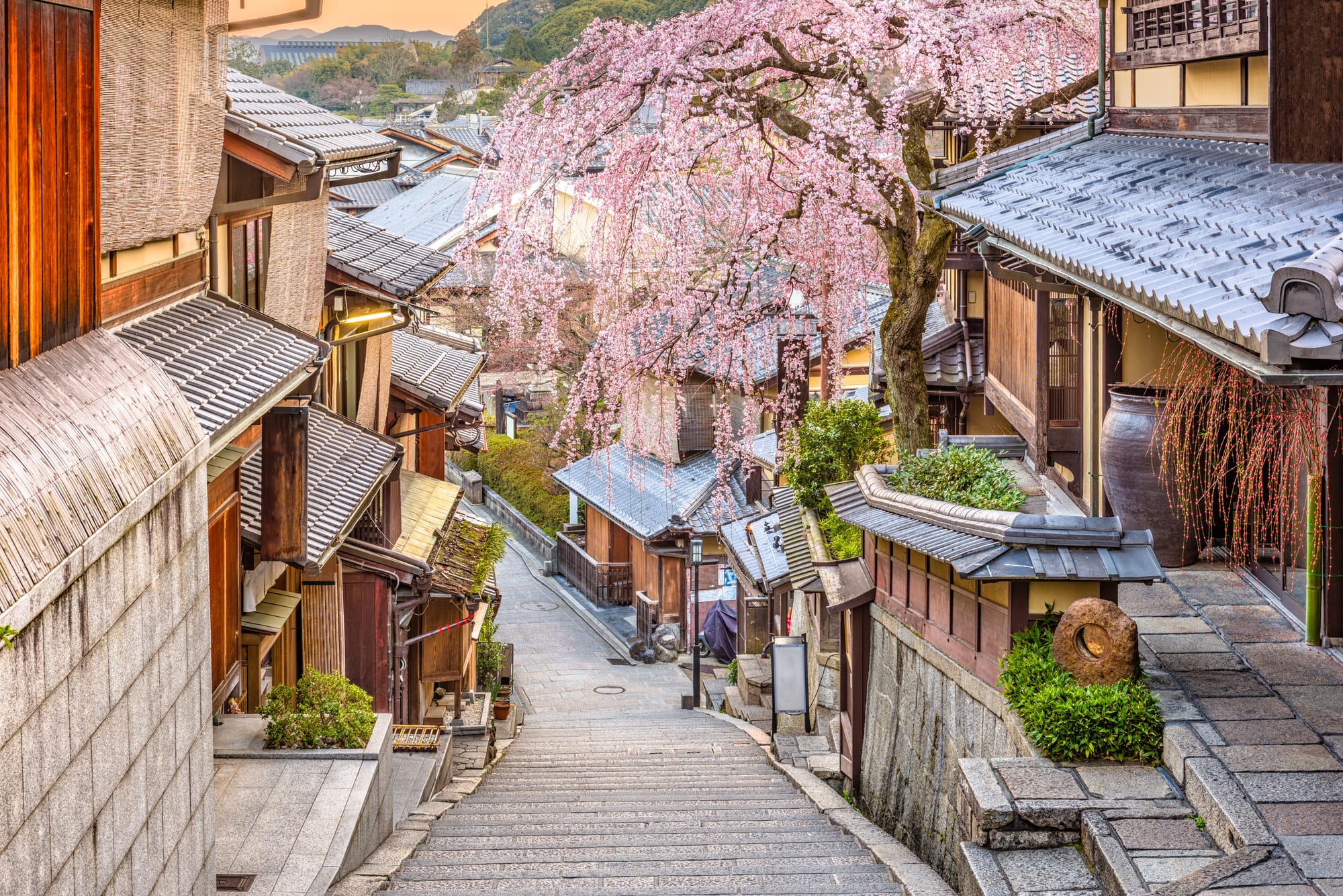
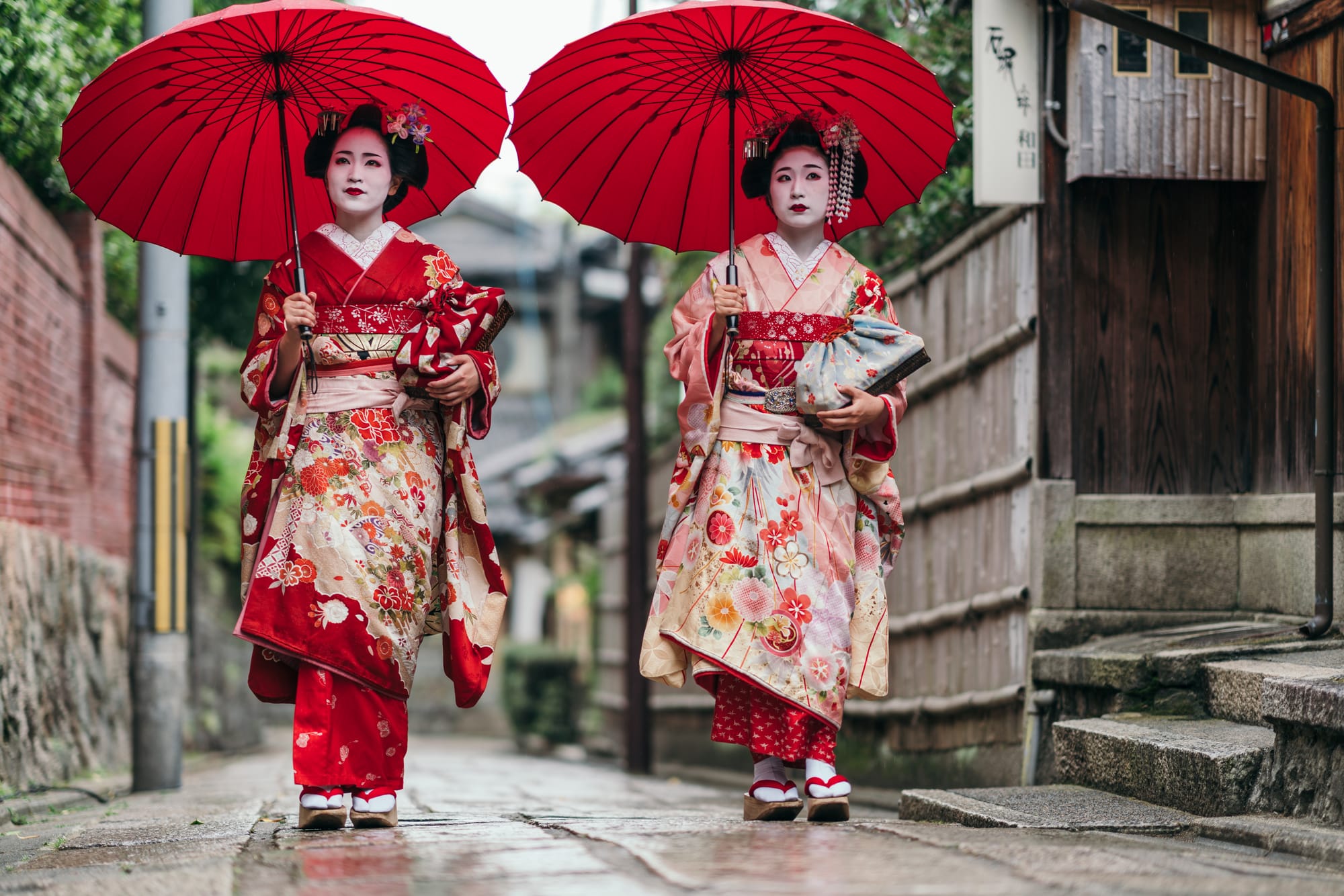
Kyoto gives you traditional Japan.
- Fushimi Inari Shrine (iconic red torii gates)
- Arashiyama Bamboo Grove
- Kiyomizu-dera
- Gion district (geisha streets)
- Nishiki Market (local food)
Osaka gives you chaos and food.
- Dotonbori
- Osaka Castle
- Kuromon Market
- Takoyaki and okonomiyaki stalls
Nagano and Hokkaido give you mountains and postcard landscapes.
- Alpine Route
- Lake Kawaguchi / Mount Fuji views
- Biei Blue Pond
- Furano flower fields
- Otaru canals
The Honest Math (No Fantasy Numbers)
If your round-trip flight is around ₹30,000–₹35,000, thanks to Zomunk:
- Accommodation: ₹15,000–₹25,000
- Food: ₹8,000–₹15,000
- Transport: ₹10,000–₹20,000
- Tours & sightseeing: ₹7,000–₹15,000
Total trip cost:
- Smart budget trip: ₹85,000–₹1,00,000
- More realistic trip: ₹1,00,000–₹1,25,000
So yes, Japan under ₹1 lakh is possible. It happens when you travel smart, not fancy.
Visa for Indians
Indian travelers need a tourist visa for Japan. The process is simpler than Schengen and US visas, and documentation requirements are manageable.
Final Thought
Japan is not cheap like Southeast Asia. But it’s not Europe-level expensive either.
You can eat ₹400 ramen or ₹2,000 ramen. You can sleep in ₹1,500 capsules or ₹8,000 hotels. You can take bullet trains or night buses.
Japan gives you a lot of choices.
And if you choose wisely, Japan stops being a dream and starts being a plan.
Follow Zomunk for more simple travel hacks and updates.